

Reproductive Equity Now Foundation
Contraceptive Access Learning Collaborative
April 2026
Exciting Updates for Connecticut
On May 29, 2026, Governor Ned Lamont signed Public Act 26-47, requiring Connecticut carriers, insurers, and other entities to include licensed pharmacists in their provider networks and reimburse processes for covered clinical services.
This is a huge step forward towards expanding birth control access at pharmacies across CT!

Table of Contents
Executive Summary
In a post-Roe world where reproductive and gender-affirming health care are under increasing attack, access to contraception is vital. Contraception is a fundamental part of reproductive health care and a critical tool for ensuring that people can decide if, when, and how to start or grow their families.
Across Connecticut, Massachusetts, and New Hampshire, policy makers, advocates, and experts have worked aggressively and successfully to enact protections for and to expand access to contraception at the state level. Despite all three states having enacted strong policies that should expand access to contraception, implementation and utilization of benefits have fallen far short of expectations. Where implementation is putting a law on the books and guidance in place, meaningful utilization is putting it to work.
To address the continued stalled implementation and lagging utilization of expanded contraceptive access laws across our three states, Reproductive Equity Now Foundation set out to understand the unique landscape of each state’s policy and implementation challenges related to contraceptive access and to co-develop implementation and utilization solutions focused on three policy initiatives:
No-copay coverage for up to a 12-month supply of hormonal contraceptives
Point-of-sale insurance coverage for both over-the-counter and prescription emergency contraception
Pharmacist-prescribed hormonal contraceptives
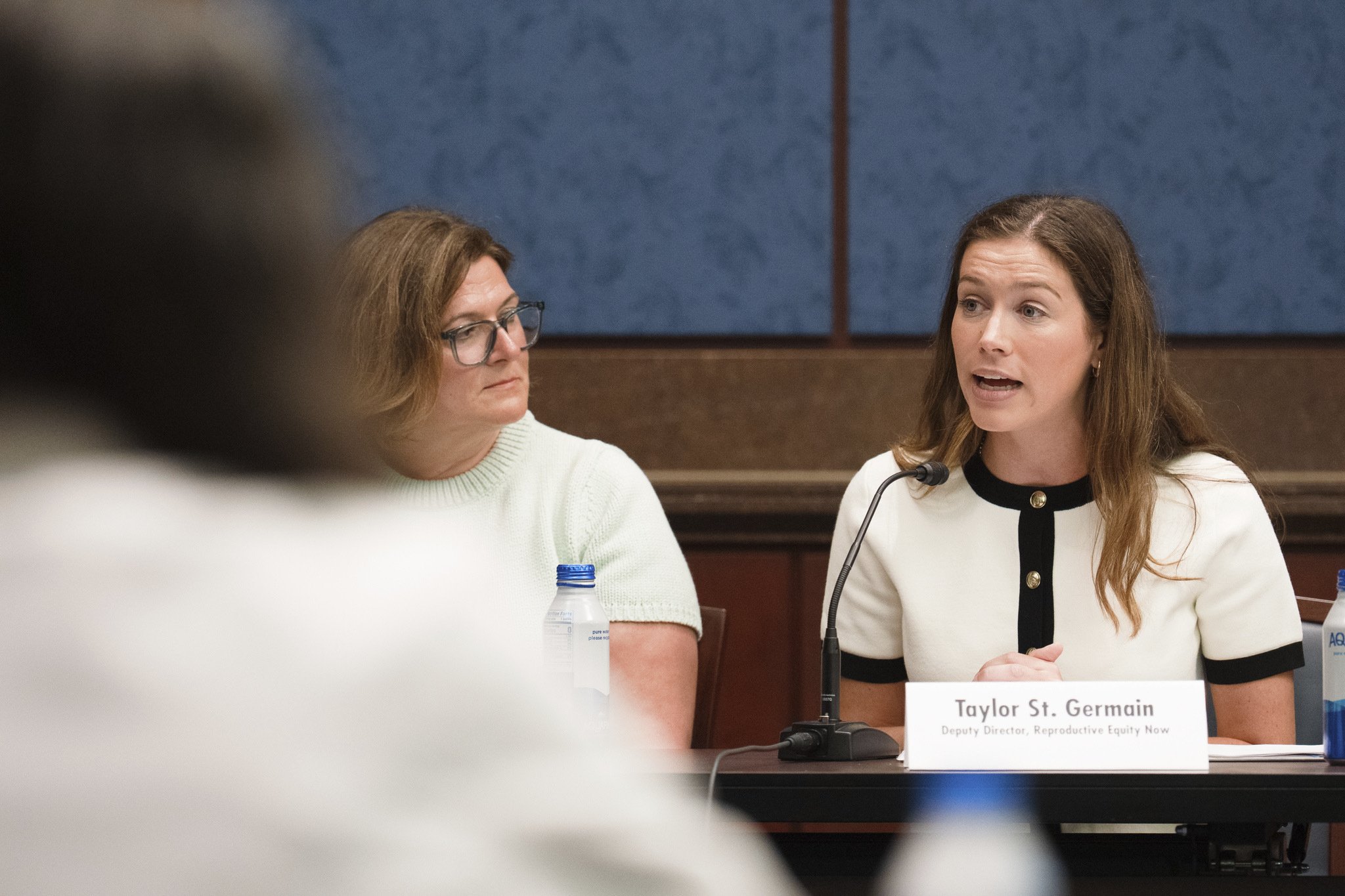
This initiative sought to bring together over 90 individual stakeholders from across the three states, including payors, providers, pharmacists, advocates, and representatives from the executive branch in a Learning Collaborative to identify and address implementation failures and improve awareness and education about these policy initiatives, and ultimately co-develop a roadmap of best practices for implementation and utilization.
Our final report is a roadmap that walks stakeholders through our path over the course of this 18-month project, offers an in-depth narrative of our work to move implementation forward in Connecticut, New Hampshire, and Massachusetts, as well as a detailed assessment of the utilization barriers we observed across the region, and ultimately makes recommendations to improve the impact of contraceptive access policies.
This Roadmap Includes:
A narrative of key takeaways from conversations with stakeholders reinforcing the need for meaningful implementation and increased awareness of state-level contraceptive policies;
Recommended solutions for improved implementation and utilization of these key policy initiatives, targeted to prescribers, pharmacists, and policy makers.
An analysis of RENF’s work and Learning Collaborative engagement in Connecticut, New Hampshire, and Massachusetts and the progress observed over the course of this
18-month Learning Collaborative

Key Learning Collaborative Takeaways
-
Reproductive Equity Now Foundation engaged a broad range of health care stakeholders, including OB-GYNs, family physicians, pediatricians, certified nurse midwives, nurse practitioners, and clinic and practice managers in both clinical and administrative roles. We spoke with ACOG leaders in all three states. One of the most striking findings was how limited providers' knowledge of specific state-level policies was, including extended supply enacted many years ago. This was true even among providers who are actively engaged and participate in state-based advocacy work. Providers who were aware of extended supply had largely stopped attempting to prescribe it due to the high rate of insurance denials, finding it easier and less burdensome to prescribe a three-month supply with refills than to fight a system that routinely denied the prescribed amount.
Follow-up discussions highlighted the ways in which our initial discussions prompted providers to ask colleagues about policies and, in many cases, change their own prescribing practices. Early Learning Collaborative engagement sought feedback specifically from reproductive health providers such as OB-GYNs and sexual and reproductive health clinics, but Reproductive Equity Now Foundation also expanded our reach to include family medicine, pediatrics, and college health, acknowledging the many settings in which contraceptive care is delivered in practice. These specialty areas offered particularly interesting insights. Pediatricians, for instance, are often the ones initiating contraceptive care for young people and hold a unique opportunity to educate and counsel them. One pediatrician we spoke with was enthusiastic about incorporating advance provision of emergency contraception into routine contraceptive care visits.
Providers report being overworked, contending with high patient volume alongside the ongoing demands of tracking a rapidly shifting health care landscape. While they explained that Electronic Medical Records (EMR) dictate much of the office visit flow, providers were genuinely interested in the idea of using EMR as a tool to encourage changes in prescribing behavior. The volume of information reaching them is itself a challenge: too many emails, too much technical and legal language, and too little clear guidance about what a given policy actually requires in practice.
Finally, providers knew and understood very little about how pharmacies operate and what authority pharmacists had to adjust prescriptions. A clear theme emerged about how siloed community pharmacy practice is within the larger health care field.
-
Reproductive Equity Now Foundation engaged a wide range of pharmacist stakeholders, including practicing community and health system pharmacists, pharmacist educators, independent pharmacy owners, and regional chain managers. We also spoke with regulators of pharmacy practice, including Connecticut's Department of Consumer Protection Drug Control Division, and representatives of Boards of Pharmacy, as well as pharmacist associations at the state and national level. As with providers, knowledge of extended supply was noticeably low, though generally, pharmacists understood their prescriptive authority even if they were not actively offering to prescribe hormonal contraceptives.
Notably, Reproductive Equity Now Foundation engaged with more than one Massachusetts pharmacist who did not know about the statewide standing order for emergency contraception. Other pharmacists noted a shift towards fielding more questions about contraception causing infertility, a common misinformation talking point from social media influencers. There is more information about pharmacist knowledge of policies in the Field Scan in Appendix C.
The differences in pharmacist association capacity across states were notable: Connecticut's pharmacist association operates with dedicated staff and funding, which translates into stronger advocacy capacity, more robust continuing education offerings, and deeper member engagement. In Massachusetts and New Hampshire, the picture is different, with mostly all-volunteer associations. Advocacy work without sufficient infrastructure moves slowly as volunteer leaders who are also practicing pharmacists carry a significant burden.
All of the pharmacists Reproductive Equity Now Foundation engaged identified lack of payment/reimbursement for pharmacist services as the single largest impediment to offering hormonal contraception services, noting that without a viable payment pathway, expanding clinical services is simply not sustainable. Compounding this challenge, pharmacists raised serious concerns about short staffing and the wave of pharmacy closures sweeping across the region, which together are straining an already overburdened system. They shared that oftentimes they field patients' frustrations about anything that may have gone wrong, including mistakes and insurance denials, between their provider writing the prescription and coming to pick it up. Many pharmacists commented on their willingness and excitement to practice at the top of their license, but named the structural and financial conditions needed to support that expanded role.
Running through all of our conversations were themes about a broader shift underway in pharmacy practice itself. Accelerated by the expansion of vaccine administration and testing in community pharmacies during the COVID-19 pandemic, the profession has been moving toward an expanded scope of practice. This includes additional services such as test to treat, smoking cessation, and, for the purposes of this project, hormonal contraception. These new services require pharmacists to use clinical skills in addition to dispensing medication.
This reflects a larger shift away from the "bright line" model of care, wherein statute and regulation set clear, binary rules that apply uniformly regardless of individual patient circumstances, and instead toward a "standard of care" model that accounts for patient-specific factors, clinical context, and professional judgment. Given that pharmacists now hold a doctorate, a PharmD, with significant clinical training, many pharmacists we spoke with are excited for these shifts but still express concerns about reimbursement and staffing shortages.
Key Pharmacy Partner: Dr. Aimee Dawson, PharmD, CDCES
Dr. Aimee Dawson, PharmD, CDCES, is an Associate Professor and Vice Chair of the Department of Pharmacy Practice at Massachusetts College of Pharmacy and Health Sciences, Worcester, and practices at Holyoke Health Center in Holyoke, MA. Dr. Dawson has been a longtime partner in promoting contraceptive access in the Massachusetts pharmacy landscape and played a critical role in making Reproductive Equity Now Foundation’s Learning Collaborative a success. She was a pioneer in offering contraceptive prescriptions in Massachusetts, bringing the service to the pharmacy at Holyoke Health Center, starting in 2024, and has served on the ACCESS Working Group, hosted by Reproductive Equity Now Foundation and Upstream, to promote awareness of the 2017 ACCESS law since 2020.
Dr. Dawson’s contributions to Reproductive Equity Now Foundation ’s Learning Collaborative have been invaluable. She has not only facilitated connections in the pharmacy industry, but more importantly, has helped us navigate and decode the specialized world of pharmacy practice. Alongside Dr. Dawson, RENF engaged pharmacy students in conversation about the intersection of policy and pharmacy in the reproductive health space.
-
A key challenge encountered throughout Reproductive Equity Now Foundation’s Learning Collaborative was the distinction between self- and fully-insured plans, the ability for states to only govern fully-insured plans, and the difficulty individuals encounter understanding what type of plan they are enrolled in. Private health care insurance is delivered through for-profit or not-for-profit corporate insurance companies and funded through premiums paid by individuals, employers, or both.
Most people with private insurance are enrolled through their employer, though plans can also be purchased individually through a state’s health care exchange or the ACA Marketplace. For those with employer-sponsored insurance, the plan can either be fully-insured or self-insured. In a fully-insured plan, the employer pays a fixed premium to an insurance company, which takes on the financial risk and manages all claims. Fully-insured plans are regulated by state law, which means that state-mandated benefits, including an extended supply of contraceptives, are required to be covered by fully-insured plans.
Self-insured plans, wherein an often large employer takes on its own financial risk of covering health care claims for its employees and enrollees, are regulated only by federal law. KFF estimates that in 2024, 59.4% of Connecticut’s population, 45.5% of Massachusetts’ population, and 63.3% of New Hampshire’s population are insured through self-insured plans. These plans are not required to cover state-mandated benefits.
Separate from this challenging distinction, conversations with health insurance associations and payors reflected the broader instability currently gripping the health care landscape. Amid escalating costs and intensifying competing demands, payors are effectively navigating a convergence of simultaneous pressures and crises; consequently, initiatives such as expanding reimbursement for pharmacist-provided contraceptive services or advancing policies that support extended supply have, for the moment, receded from immediate strategic priority.
That said, payors demonstrated a clear openness to continued dialogue, driven in part by a credible and compelling cost-containment rationale. Generally, pharmacists are reimbursed at rates more closely aligned with nurse practitioners than physicians, suggesting that an expanded role for pharmacists in contraceptive care may offer a meaningful opportunity for cost savings without compromising access or quality. At the same time, payors also acknowledged an ongoing challenge in striking the appropriate balance between transparency and usability; specifically, how to convey information that is often legally mandated in a manner that is both accessible and digestible for members. Reproductive Equity Now Foundation remains deeply grateful for our continued partnership with payors and looks forward to ongoing collaboration as we work collectively to advance a more efficient, accessible, and patient-centered health care system.
-
Reproductive Equity Now Foundation engaged elected officials and state employees across a range of agencies in our region, including Departments of Health and Human Services, state Medicaid programs, Connecticut's Drug Control Division, and the Massachusetts Division of Insurance. These conversations offered an opportunity for Reproductive Equity Now Foundation to share the focus of our Learning Collaborative efforts, offer insights into the implementation challenges uncovered by Learning Collaborative stakeholders, and allowed for substantive and constructive discussion about the challenges of the current system. A particularly encouraging moment emerged in discussion with a member of the New Hampshire Board of Pharmacy, who expressed genuine enthusiasm for our work and welcomed Reproductive Equity Now Foundation’s attention to contraceptive access policies in the Granite State. These interactions signify meaningful goodwill at the government level, even where structural and bureaucratic barriers hinder immediate change.
A persistent and cross-cutting barrier that surfaced in all conversations is the distinction between self-insured and fully-insured plans. Access to many state-level mandated benefits depends on this distinction, and it is poorly understood by providers, pharmacists, and consumers alike. State agencies, including Departments of Insurance, have an opportunity to do more to explain this distinction and its practical implications for patients. We were encouraged to see a new acknowledgment among officials of the significance of this confusion and the way in which it hinders the ability for state-mandated benefits to be fully utilized.
-
At the national level and outside of our New England region, Reproductive Equity Now Foundation engaged with key subject matter experts and organizations, including the National Health Law Program, the American Public Health Association, the National Women's Law Center, and academic partners in California and North Carolina. These organizations have published extensive resources related to pharmacist-prescribing of hormonal contraceptives, including roadmaps, toolkits, and policy analyses.
The difficulty posed by the lack of information sharing systems, particularly between advocates in different states, emerged as a common theme in discussion with subject matter experts. With no single, trusted central repository for this implementation work, this gap in information sharing has significantly shaped how the field operates, and many state-level advocates lack the capacity to tailor national information to their own advocacy or implementation needs. Consequently, the ability for Reproductive Equity Now Foundation to have this dedicated capacity to spend on focused implementation efforts in our three states and put together our roadmap offered a significant opportunity to bridge this information sharing gap. National leaders were excited to learn that Reproductive Equity Now Foundation was focused on these implementation questions, suggesting an appetite for deeper partnership between national and state-level efforts.
Conversations with advocates in Maine, Maryland, and North Carolina echoed that funding and sustained collaboration are critical factors for implementation success. These advocates also named a lack of bandwidth to stay informed about ongoing advocacy efforts even in neighboring or peer states, further reinforcing the utility of Reproductive Equity Now Foundation’s dedicated attention to building a regional network to share learnings and strategies across states.
Reproductive Equity Now Foundation also engaged with national subject matter experts who brought deep technical knowledge and genuine enthusiasm for state and local implementation work. These discussions similarly reinforced that Reproductive Equity Now Foundation’s positioning as a trusted regional partner with local knowledge and relationships, and our focus on the practical realities of implementation, fills a gap that national-level work alone cannot address.
Key Partner: American Society for Emergency Contraception
Reproductive Equity Now Foundation worked closely with Claudia Trevor-Wright, JD, MA, MCHES, who is the Director of Higher Education and Special Projects at the American Society for Emergency Contraception (ASEC). Claudia provided expertise on emergency contraception access, as well as insights into higher education health services, as Reproductive Equity Now Foundation explored how to expand outreach and work with special populations around contraceptive access.
ASEC focuses on expanding access to emergency contraception through expert guidance and technical assistance to movement partners on clinical and access issues, hosting the only dedicated annual meeting in the U.S. focused on emergency contraception for health care providers, community activists, pharmaceutical partners, and researchers, and conducting a nationwide study of real-world emergency contraception access. Emergency Contraception for Every Campus (EC4EC) is a nationwide campaign to support student activists expanding access to emergency contraception vending machines on college campuses, and served as an inspiration for Reproductive Equity Now Foundation’s exploration of advancing emergency contraception access (see Appendix J).
Claudia’s participation in the Learning Collaborative illuminated persistent stigma and barriers surrounding emergency contraception, widespread lack of consumer knowledge about ulipristal acetate (brand name Ella), the prescription oral emergency contraception, and the ongoing challenges surrounding consistent pharmacy stocking of these medications. Lack of consumer knowledge regarding emergency contraception variations was echoed in the listening sessions held with Health Care For All in Massachusetts (see Appendix D). In New Hampshire specifically, when asked about emergency contraception availability and point-of-sale insurance coverage, the resounding response was a confident assertion that because over-the-counter emergency contraception is available throughout the state, no further implementation or advocacy efforts to improve access are necessary.
Key Partner: Birth Control Pharmacist
Dr. Sally Rafie, PharmD, and her team at Birth Control Pharmacist were key partners in our work, bringing deep policy and technical expertise that significantly strengthened our ability to engage pharmacists and pharmacy representatives in Reproductive Equity Now Foundation’s Learning Collaborative. Dr. Rafie is widely regarded as the national expert in contraceptive access in pharmacy settings, with nearly 20 years of experience at the forefront of policy advocacy, research, public awareness, technical support, and implementation strategy. Her team is currently leading state-level work across the country, developing best practices for adopting policies that work for both pharmacists and patients.
Dr. Rafie was impressed by RENF’s ability to convene such a broad range of partners for collaboration, emphasizing that having an organization with established relationships and a presence on the ground in New Hampshire is essential to translating national policy into real change at the state and local level. Birth Control Pharmacist already offers training programs for pharmacists in Massachusetts and Connecticut, and as a direct result of our collaboration, is poised to launch a comparable training in New Hampshire in partnership with both state pharmacist associations as soon as the state's policy is complete and available.
Dr. Rafie is the lead author of an important paper published this January in the journal Contraception, "Recommendations for Policies Enabling Pharmacist-Prescribed Contraceptive Services," which offers a timely and authoritative overview with significant guidance to support our recommended course of action. Notably, the paper highlights New Hampshire as a state where technical challenges in implementation, combined with a lack of momentum and resources at the state Board of Pharmacy, have stalled a contraceptive access program that the legislature authorized in 2019. Dr. Rafie and the Birth Control Pharmacist team attempted over multiple years to assist the Board by updating required counseling materials but encountered significant difficulty making progress through that process, underscoring the very implementation barriers Reproductive Equity Now Foundation set out to identify and address.

State-Specific Policy Briefs
Click on the state icons below to download state-by-state policy briefs

-
Legislative initiatives to improve contraceptive access in Connecticut are well underway. Right now, the General Assembly must advance reimbursement for pharmacists’ clinical services by passing H.B. 5375, An Act Concerning The Recommendations Of The Insurance And Real Estate Committee Working Groups.
-
Right now, the Connecticut General Assembly can establish extended supply of contraceptives for the Medicaid program by passing H.B. 5482, An Act Concerning Twelve Month Coverage for Contraception and Hormone Therapy.
-
Aligned with Reproductive Equity Now Foundation’s Recommendation D for Policy Makers, which stipulates that all payors and plans under the purview of state law or regulation should be directed to follow state policy for fully-insured plans, Connecticut should ensure that its state employee plan covers the same contraceptive access benefits as private insurance in the state.
Recommendations for Connecticut

-
Massachusetts should revisit the Contraceptive ACCESS Law to remove the required three-month trial for new extended supply prescriptions. While this provision originated from a concern about potential wasted medication, the mandated three-month trial period has shown itself to be an unintended barrier to extended supply.
-
Expand pharmacist authority to include vaginal rings and hormonal contraceptive injections to ensure the widest range of options is available at the pharmacy.
Recommendations for Massachusetts

-
The rulemaking changes proposed by Reproductive Equity Now Foundation’s working group should be adopted by the Board of Pharmacy and Joint Legislative Committee on Administrative Rules (JLCAR). This would be a critical step to simplify the pharmacist participation requirements and streamline the pharmacy workflow to more easily dispense contraceptives.
-
Ph § 2405.01b states “Under 18 years of age, only if the person has evidence of a previous prescription from a primary care practitioner or women’s health care practitioner for a hormonal contraceptive”. This was not a restriction in the underlying legislation but was added by the Board of Pharmacy, limiting the ability of those under 18 to access contraceptives through their pharmacy.
-
Under New Hampshire’s current law, pharmacists do not have direct prescriptive authority for hormonal contraceptives, but must operate under a standing order issued by a provider with prescribing authority. Reproductive Equity Now Foundation has found this requirement to be administratively onerous, as it places the burden on the pharmacist or pharmacy business to develop a relationship with a licensed prescriber. It also represents an outdated standard of care within modern pharmacy practice. Legislative action to expand the scope of practice for pharmacists is currently under development but needs time to build political support across stakeholders.
-
The DHHS Chief Medical Officer has the authority to issue standing orders for Medicaid-covered over-the-counter medications, medical supplies, and laboratory tests when deemed medically necessary and cost-effective under NH RSA 126-A:3, V-a. These standing orders can apply to both Medicaid recipients and non-Medicaid recipients. Securing a statewide standing order would immediately allow all pharmacists to both dispense over-the-counter and prescription emergency contraception at no cost to the patient. While full prescriptive authority and simplified rulemaking for pharmacists is the preferred, this standing order would expedite access to emergency contraceptives.
-
Expand pharmacist authority to include hormonal contraceptive injections to ensure the widest range of options is available at the pharmacy.
Recommendations for New Hampshire
Regional Recommendations
-
Informed by conversations with providers and inspired by guidance developed and published by the Massachusetts Division of Insurance, Reproductive Equity Now Foundation developed a mockup of a simple, readable fact sheet showing the mathematical breakdown of different ways to prescribe a 12-month supply of hormonal contraception medications. The chart spells out the number of pills, patches, rings, and shots to cover a 12-month prescription for both continuous use and withdrawal bleed. For oral contraception, as there are several different types of packages with different numbers of pills, the chart breaks down the most common amounts. The fact sheet also cites the appropriate state-specific statute mandating that fully insured plans and, where appropriate, if Medicaid recipients are eligible for up to a year’s supply of birth control. View the chart in Appendix G.
The purpose and importance of this chart is two-fold. First, it will help prompt a conversation between a provider and patient about the availability of extended supply to determine if it is right for that patient. Second, the chart will save a prescriber time by helping to calculate the actual prescribed amount of contraception. As the majority of electronic medical records default the prescribed amount of contraceptives to either 30 or 90 days, prescribers have identified the utility in having easy access to this information rather than having to calculate it for each prescription themselves.
The chart was developed with two sets of terminology targeting two different audiences. A patient-facing sheet that lays out eligibility criteria using common terms for contraceptives like “the pill” and “the patch,” is intended for a patient audience, and a prescriber-facing version uses medical terminology with specific examples of medication names. When the chart was shown to the groups of providers and pharmacists for feedback, there was great enthusiasm for the utility of the clinician-facing version.
-
When prescribing an extended supply of contraceptives, providers should include instructions in the prescription memo field to indicate to the pharmacist that if the requested dispensed amount is denied, the pharmacist should use their discretion and authority to change the cadence of dispensing to suit the insurance requirements without returning the prescription to the provider. Pharmacists have the authority to adjust the dispensed amount within the total prescription (initial dispensement and number of refills), which empowers them to rewrite a prescription if an extended supply is denied. For example, instead of a 12-month supply, a 3-month supply with 3 refills. A phrase like "Please adjust the amount dispensed and number of refills to meet insurance needs" would suffice. It should be noted that individual pharmacy chains may have internal policies regarding pharmacists’ ability to dispense differing amounts of medication. Pharmacy chains should ensure internal policies are aligned with full pharmacist authority, and prior outreach to the pharmacy is recommended (see more in Recommendation H).
-
Prescribers, including pharmacists, can display a bulletin in-clinic describing the availability of an extended supply of contraception and informing patients that their insurer may be required to cover that supply. This bulletin could be combined with promotional materials regarding a patient’s ability to request a prescription for advanced-provision emergency contraception (see Recommendation E for Prescribers).
-
Primary care providers, including pediatricians and family medicine practitioners, and sexual and reproductive health care providers, including OB/GYNs, are often the most effective messengers and educators when it comes to reproductive health and wellness. Providers can offer advanced provision prescriptions for emergency contraception to their patients—whether or not they are currently sexually active—to both ensure that if they need emergency contraceptives, they can access them at no cost through their insurance, and provide education and discussion about the different types of emergency contraception, and which one might be best for that individual. This normalization of emergency contraception can help alleviate stigma, increase awareness of the two different oral medications, and empower patients to access and use this medication with confidence.
-
Providers can also display posters explaining and offering advanced provision to their patients. Inspired by the American Society for Emergency Contraception’s (ASEC) Emergency Contraception for Every Campus (EC4EC) campaign, RENF designed a flyer encouraging patients to ask for a prescription for either kind of oral emergency contraception. This display could also be designed to include information about an extended supply of hormonal contraception, referenced in Recommendation C for Prescribers. View the sample poster in Appendix J.
-
Electronic Medical Record (EMR) administrators and support staff have the ability to change the default setting for the prescribed amount of hormonal birth control. While prescribers can write in the prescription for any amount, the default amount typically populates to 30 days with additional amounts of 60 or 90 days in a drop-down option. The automated amount could be changed to default to a 364 day supply, which may prompt discussion about an extended supply with the patient. Additionally, a new field in a visit template or pop-up screen when hormonal contraception is ordered could ask about advance provision of emergency contraception. While it can be burdensome for an individual practice to have to manually adjust the default settings, pre-programmed extended supply could be offered when practices are customizing a new EMR or potentially bundled in an update. Reproductive Equity Now Foundation’s conversations with industry professionals suggest that EMR designers and administrators are increasingly interested in more effectively supporting and enabling policy utilization, potentially opening the door to broader, more strategic conversations.
-
When an individual who is seeking emergency contraception calls a clinic or a practice at which they are not already established as a patient, if the clinic does not have the capacity to schedule that individual a timely appointment, they are often left without access to emergency contraception. Accordingly, Reproductive Equity Now Foundation designed a script to help clinic staff to explain to callers how they can access no-cost emergency contraception at the pharmacy counter. Providers who identified this challenge expressed enthusiasm for such a script, even if it may not be appropriate in all clinic settings. Included in the script is a recommendation for clinics to share with callers a list of pharmacies with whom the clinic has established a relationship (see Recommendation H for Prescribers) so that the patient is less likely to have to bear the burden of explaining the standing order themselves.
For Massachusetts, this template script includes a description of the Standing Order for emergency contraception, information on how patients can find the order online should they need to show it to a pharmacist, and how to instruct a patient to communicate to a retail pharmacist that they are seeking no-cost emergency contraception available under the standing order and the ACCESS law. View the script in Appendix H.
For Connecticut, this template script includes a detailed explanation of pharmacists’ prescriptive authority with respect to emergency contraception, and a template script for patients seeking a pharmacist-initiated prescription for emergency contraception. View the script in Appendix H.
-
To facilitate continued communication between clinical providers and community pharmacies to address contraceptive availability, Reproductive Equity Now Foundation recommends targeted relationship building between clinics and nearby pharmacies using a template letter of introduction. Practices can use their Electronic Medical Record systems to identify “high-velocity pharmacies” in their proximity—i.e. pharmacies to which patients most frequently request their prescriptions be sent. Clinicians can then use this template letter to introduce their practice to the pharmacy and open dialog about how to reduce barriers to contraceptive care. Read the full script in Appendix I.
This letter details the relevant state statutes authorizing extended supply of hormonal contraception and no-cost emergency contraception. The letter also explains: a) the practice’s plans to prescribe an extended supply to interested patients, b) that if there are insurance denials, the pharmacists can use their authority to adjust the dispensed amount to suit the insurance requirements, and c) that the clinic will be directing consumers without an established relationship and/or medical chart to the pharmacy for no-cost emergency contraception under the applicable state policy.
Ultimately, there are myriad benefits of establishing clinic-pharmacy communications. Clinics and pharmacies will not only establish a working relationship to reduce time-consuming and needless back-and-forth about prescriptions for an extended supply, but pharmacies may also be more likely to stock emergency contraception knowing they are likely to receive prescriptions from nearby clinics and may be encouraged to promote this access in their pharmacy. Additionally, for pharmacists prescribing hormonal contraception, there is the opportunity for a reciprocal referral relationship to the clinic if, after consultation, the patient decides on a different method of contraception or require additional medical assessment.
Clinics and Prescribers
-
While podcasts are a relatively new format for Continuing Education Units (CEUs), they are likely to be more widely accessible than screen-based courses, making them a strong vehicle for helping pharmacists to review the legal and regulatory landscape of reproductive health care services. Additionally, pharmacists may also be more receptive to learning about contraceptive policies like an extended supply when these topics are bundled into CE courses that directly expand their practice, such as prescribing birth control, which allows pharmacists to practice at the top of their license.
-
In addition to being the national expert in policy for pharmacists in reproductive health care, Birth Control Pharmacist also offers training programs, technical assistance, and ongoing support for pharmacists expanding their practice. They offer state-specific training courses and a wide range of additional and related topics for reproductive care. Birth Control Pharmacist is currently also developing a technical platform called Visits to support pharmacists with the back-end requirements, which can be used for contraception as well as a wider range of services in the future, including test to treat programs.
Many other resources are also available to support pharmacists offering hormonal contraception. Of course, Boards of Pharmacy and state departments of health are key in supporting education and training efforts. Pharmacist associations often offer subsidized training and support, and there are several examples of academic institutions investing in and supporting implementation. In North Carolina, a large foundation grant enabled the University of North Carolina School of Pharmacy to be intimately involved in the success the state has seen in placing a prescribing pharmacist in nearly every county.
-
Credentialing is the process by which health insurance companies verify a pharmacist's qualifications, licensure, and practice information before authorizing them to bill for their services. This has been long required for all other providers, but this essential step will be new for many pharmacists. Birth Control Pharmacist and Pharmacy Profiles, a subsidiary of the American Pharmacist Association, are two platforms set up to assist with this administratively burdensome process.
-
Understanding the product-based retail dispensing model of pharmacy practice as well as the potential challenges of managing stock levels of medications, pharmacies should be strongly encouraged to stock reproductive medications, especially both types of oral emergency contraception. For example, the Massachusetts Department of Public Health, the Bureau of Health Professions Licensure, and Board of Registration in Pharmacy have issued policy stipulating that all family planning medications, including mifepristone emergency contraception, and contraceptive prescriptions are considered necessary to meet the usual needs of each and every community across the Commonwealth.
When at all possible, pharmacies should also make over-the-counter medications, such as levonorgestrel emergency contraception (e.g., Plan B) and Opill, directly available to customers without the additional barrier of keeping them behind the counter, which may inadvertently cause an additional barrier for customers who do not wish to interact with pharmacy staff. If the products must be behind the counter, ensure that there are appropriate shelf signs by related products, such as pregnancy tests or menstrual products, directing customers where to find them.
-
Reproductive Equity Now Foundation designed a poster, to be displayed in community pharmacies, health care facility waiting rooms, and with other community organizations, to explain how patients can access no-cost emergency contraception, either at their local pharmacy without a prior prescription or appointment or via community-resources. This poster prompts patients to speak to their pharmacist about obtaining point-of-sale insurance coverage for the emergency contraception that is right for them. View the poster in Appendix J.
-
Pharmacists should actively advertise their ability to prescribe contraceptives and provide no-cost emergency contraceptives. Shelf signs, posters, window clings, and buttons on white coats are just some of the tools pharmacists have identified for Reproductive Equity Now Foundation that are key opportunities to advertise pharmacy prescriptive services. Such advertising opportunities will also organically increase general public awareness and contribute to word-of-mouth information sharing, and contribute to increased consumer demand. Birth Control Pharmacist offers ready-made resources to support marketing, including digital downloads and print materials to order, and its companion patient-facing website, Birth Control Pharmacies, hosts a searchable map of pharmacies offering prescribing services.
Pharmacists
-
As the research and scientific landscape swiftly changes, particularly under the Trump Administration, we encourage lawmakers to avoid citing specific documents, reports, or dated materials in statute. As seen in New Hampshire, citing specific documents in statute will likely result in the policy being out-of-date or invalid after its passage and require updating. For example, when citing materials published by the Centers for Disease Control and Prevention, widely regarded as the standard for medical surveillance statistics, we encourage legislators to also incorporate language describing "widely accepted evidence-based practice” to help insulate state policies from potential future manipulation by federal agencies changing definitions or available data.
-
Creating pathways for pharmacist reimbursement is perhaps the most impactful policy that will meaningfully increase access to pharmacist-prescribed hormonal contraception. Policies expanding the scope-of-practice for pharmacists and mandating insurance coverage for pharmacist-initiated prescriptions are incomplete without the inclusion of a framework for pharmacist reimbursement. While Connecticut is taking steps to address this issue, the only state that has advanced a policy requiring insurance reimbursement for pharmacist involvement in dispensing contraception is New Hampshire. But due to stalled implementation, this policy has yet to be put to the test in insurance contracts. Legislation that invites pharmacists to take on clinical roles must also allow that those pharmacists be compensated for their time. Without this reimbursement model, pharmacists are unlikely to take on additional responsibilities for which they are not compensated.
As Medicaid is often seen as a driver for action in other private insurance companies, states should require their Medicaid programs to reimburse pharmacists for clinical services. Medicaid programs in several states already offer such a reimbursement model, including California, North Carolina, New Mexico, and Oregon. These are the same states that are often lifted up as successful implementation examples. Toolkits and additional resources for insurance reimbursement for pharmacists can be found in Appendix K.
-
Reproductive Equity Now Foundation’s engagement with pharmacy leaders identified a concern that lawmakers often prioritize engaging with lobbyists for chain retail pharmacies, rather than members of state Pharmacists Associations. Failure to engage with independent pharmacists inevitably leads to an incomplete understanding of the entirety of the pharmacy landscape and the potential for patchwork, incomplete utilization if policies do not take into account the reality of all community pharmacists, including independent businesses. We encourage legislators to consistently engage with the Pharmacists Associations in their state when they are drafting policy intended to influence or regulate the industry.
-
If a state is committed to expanding equitable access to reproductive health services for all residents, it must also commit to parity in mandated-benefits across all state-regulated insurance plans. Enacting a mandate for private insurance without similar requirements for either Medicaid and the state employees health plan introduces inequitable access barriers for some residents. All payors and plans under the purview of state law or regulation should be directed to follow state policy for fully-insured plans. Similarly, when drafting enabling legislation, law makers should do so broadly enough to encompass all available methods of self-administered hormonal contraception (ie. oral, transdermal patch, vaginal ring, and injectable) rather than limiting specific products or categories for access through pharmacist services.
-
As more products are available over-the-counter, attention should also be paid to reducing cost barriers as much as possible. Maine passed legislation in 2025 requiring state-regulated health insurance plans to cover over-the-counter oral contraceptives—including both daily birth control pills and emergency contraceptives—at no cost to the patient. The National Health Law Program and Free the Pill have collaborated on a toolkit for states to extend contraceptive coverage to include over-the-counter methods. See Appendix K for more information.
Policy Makers
-
Nearly all Reproductive Equity Now Foundation’s Learning Collaborative discussions identified that the distinction between self- and fully-funded health plans is at the crux of several barriers to implementation and utilization of any state-mandated health care benefit. Most discourse about insurance highlights the difference in public or private, employer-sponsored, or Marketplace plans. There is very little, if any, talk about self- or fully-insured coverage and the implications of that distinction. This issue is not new to the advocates with whom Reproductive Equity Now Foundation engaged and remains one of the foundational issues when understanding any health care reform at the state level.
Even within Reproductive Equity Now Foundation’s Learning Collaborative, many stakeholders and partners, including clinicians and pharmacists, did not know about the distinction and therefore what the implications are for state-level health care policy. There is added confusion because insurance companies are often the third party administrator of an employer’s self-insured plan. This means that an insurance card might say “Anthem” or “UnitedHealth” but the actual plan is self-funded by their employer. Neither the pharmacist nor the clinical prescriber are able to easily determine if a patient’s employer-sponsored health insurance is fully- or self-funded, which may leave them unable to work with the patient to troubleshoot an access issue.
Reproductive Equity Now Foundation recommends insurance regulators address this challenge with the following options:
Require the insurer to display this information prominently on the homepage of the member portal or phone app, and on explanation of benefits;
Require insurers to include information printed on the member’s insurance card. Maryland has advanced a similar requirement, but has yet to see full compliance;
Require insurers to include an identifying letter in the insurance member’s unique member identification number. For example, a fully-funded plan would include an F in the 9-digit group number on an insurance card and a self-funded plan would include an S in the 9-digit number. This route makes the clarifying information available without requiring a member to physically have their enrollment card in hand, and could also allow clinicians and pharmacists to help patients identify the type of plan in which they are enrolled.
-
State agencies regulating insurance plans should provide an easily-accessible, searchable, and user-friendly guide to help build consumer understanding of the following:
Types of insurance plans (fully- or self-funded): This website should include a simple explainer for patients of the difference between these two types of plans, and explain why the distinction matters.
How to determine what kind of insurance one has: This website should include a searchable database of fully-funded insurance plans regulated by the state so a patient can determine if they are eligible for state-mandated benefits. There should also be clear, step-by-step instructions for customers to use their member card, their portal, or explanation of benefits to determine what kind of plan they have. This will help consumers engage with their insurance companies to ensure that they are able to access benefits they are entitled to under state law.
State-mandated benefits on fully-insured plans: To ensure consistency and ease of information, this website should also list all state-mandated benefits covered by fully-insured plans. This information is accessible on some state websites, but Reproductive Equity Now Foundation’s research concluded that this information is hard to locate, may not use language that is easily understood by the average consumer, and may not explicitly list extended supply of contraceptives as a benefit.
-
As laws change, both on the state and national level, clinicians and pharmacists—particularly independent clinicians and pharmacists, who are less likely to have government affairs staff or lobbyists—may not be aware of new mandates and scope of practice changes. To ensure consistent knowledge across the industry and encourage consistent utilization, regulatory agencies such as the Department of Public Health, the Division of Insurance, Board of Pharmacy, or the Office of the Attorney General should issue annual bulletins for industry professionals detailing changes to state law. Ideally, this bulletin would include a detailed summary of relevant laws passed in the previous year with specific relevant applications to industry professionals and protocols. Reproductive Equity Now Foundation recommends that this bulletin be distributed both directly to licensed providers and to professional associations for dissemination to their membership (i.e., the Pharmacists Association and other similar professional groups). Reproductive Equity Now Foundation further recommends making such bulletins more widely accessible by developing them into distributable webinars or podcasts.
-
As federal funding for reproductive health care is continually and increasingly threatened, states should do all they can to secure funding where possible. One possible tool for states is a state plan amendment (SPA), rather than a 1115 Waiver, for Medicaid Family Planning. A SPA is a permanent change to a state's Medicaid program that, once approved, remains in effect unless the state chooses to amend or withdraw it. By contrast, a waiver expires every five years and must be renewed, which leaves it more vulnerable to changes in the federal administration. Connecticut, Massachusetts, and New Hampshire have made good progress, but there are additional steps they can take to make sure the program covers as many residents as possible. The National Health Law Program and ICAN have toolkits with steps states can take to make sure that as many residents as possible are covered. See Appendix K for more information.
Regulators
-
While there is yet to be directives by any of the states to require insurance plans to reimburse for clinical time, private insurance plans should be encouraged to negotiate reimbursement rates for pharmacist services. A strong example outside of Reproductive Equity Now Foundation’s region is Arkansas Blue Cross Blue Shield, who is held out as a notable payor partner on the Arkansas Pharmacist Association’s Think Pharmacy First campaign promoting expanded pharmacist services.
While it can be challenging to advance expanded reimbursement in today’s health care crisis, reimbursement models for pharmacists may ultimately decrease costs for payors, as pharmacists are typically reimbursed at a lower rate than most primary care providers. As the field of pharmacy is unequivocally shifting to an expanded scope of practice and with the realities of the shortage of primary care providers, this shift in the health care landscape is on the horizon.Billing systems will need to expand from the current real-time insurance drug pricing to include medical billing, and pharmacists will need to be credentialed to be “in network” with each insurer. We acknowledge that creating new reimbursement pathways for pharmacists will be a years-long, multi-step process.
Payors
-
Our initiative began in the winter and spring of 2025 with foundational groundwork, including background research, initial interviews with close partners, and the introduction and integration into existing coalitions and working groups focused on contraception. The early phase of Reproductive Equity Now Foundation’s project established the knowledge base, strategic vision, and relationships necessary to launch our targeted regional Learning Collaborative.
By July 2025, this groundwork translated into a concrete stakeholder strategy. Reproductive Equity Now Foundation sought collaboration with and feedback from key regional stakeholders, leading to the drafting and publishing of our Regional Landscape Analysis. This Analysis served as a shared reference point for additional discovery of implementation and utilization needs, further stakeholder engagement, and consensus building for implementation and utilization solutions. Simultaneously, Reproductive Equity Now Foundation conducted a field scan of pharmacy practices across Connecticut and Massachusetts to develop an on-the-ground understanding of pharmacy-level implementation and uptake of contraceptive access policies at the point of dispensing (see Appendix C). This outreach surfaced real-world barriers, inconsistencies in pharmacist knowledge, and gaps between policy and practice that informed Reproductive Equity Now Foundation’s broader engagement strategy.
Using the Landscape Assessment as both a point of entry and an invitation to participate in Reproductive Equity Now Foundation’s Learning Collaborative, we began broader outreach across the region, and our work shifted to a sustained period of deep engagement with Learning Collaborative participants. During the fall of 2025, we conducted one-on-one interviews and coordinated conversations with close to 90 individuals across multiple stakeholder sectors. Our parallel outreach to advocates, researchers, and health care professionals in other states surfaced lessons from their own experiences with contraceptive access policies.
Our partnership with Health Care For All (HCFA) offered an opportunity to collaborate on their Expanding Access to Women’s Health in Massachusetts project to learn more about consumer awareness of reproductive health care insurance benefits (read more about this collaboration in Appendix D). RENF attended a conference for pharmacy continuing education in New Hampshire and Connecticut, as well as a health law symposium in New Hampshire, to deepen our on-the-ground relationships across the region. Additionally, RENF began coordinating with the Massachusetts Attorney General’s Office Reproductive Justice Unit, which had independently begun examining the utilization of the ACCESS Law; this was a significant alignment of efforts. RENF established a working relationship with the Birth Control Pharmacist, who provided vast content expertise and was instrumental in the work we were able to accomplish in New Hampshire.
Late fall brought two significant convenings of experts that furthered our Learning Collaborative engagement. RENF’s New England Convening gathered reproductive health care professionals, advocates, and organizations across New England to Sterling, Massachusetts, for two days of discussion about the state of reproductive access in the region, with a facilitated working session focused specifically on emergency contraception access. RENF also collaborated with the American Society for Emergency Contraception (ASEC) and UConn’s Student Health and Wellness Center to present to the New England College Health Association and New York State College Health Association’s Combined Annual Meeting in Vergennes, Vermont, deepening our understanding of the current emergency contraception landscape and opening new relationships within the world of student health services.
January 2026 marked a transition toward an action-oriented strategy. Informed by conversations with Learning Collaborative participants, RENF worked to develop a series of tactical tools to improve the utilization of key contraceptive access policies by providers and pharmacists alike, and shared them with stakeholders for input and feedback. In February, RENF focused on collaboration with these experts by convening in-person working sessions for conversation, debate, and consensus-building. This included a working session to develop comments for New Hampshire Board of Pharmacy rulemaking, and ultimately a marked-up draft of policy recommendations in Concord, New Hampshire, and coordinated pharmacist and provider listening and feedback sessions in Boston, Massachusetts; Amherst, Massachusetts; and Hartford, Connecticut.
Throughout the course of this initiative, RENF’s network and relationships have continued to grow organically, with new contacts introduced through existing relationships and drawn into substantive conversation as the initiative’s scope and visibility have expanded. RENF is thrilled to share our recommendation roadmap, informed by our Learning Collaborative discussion, collaboration, and expertise.
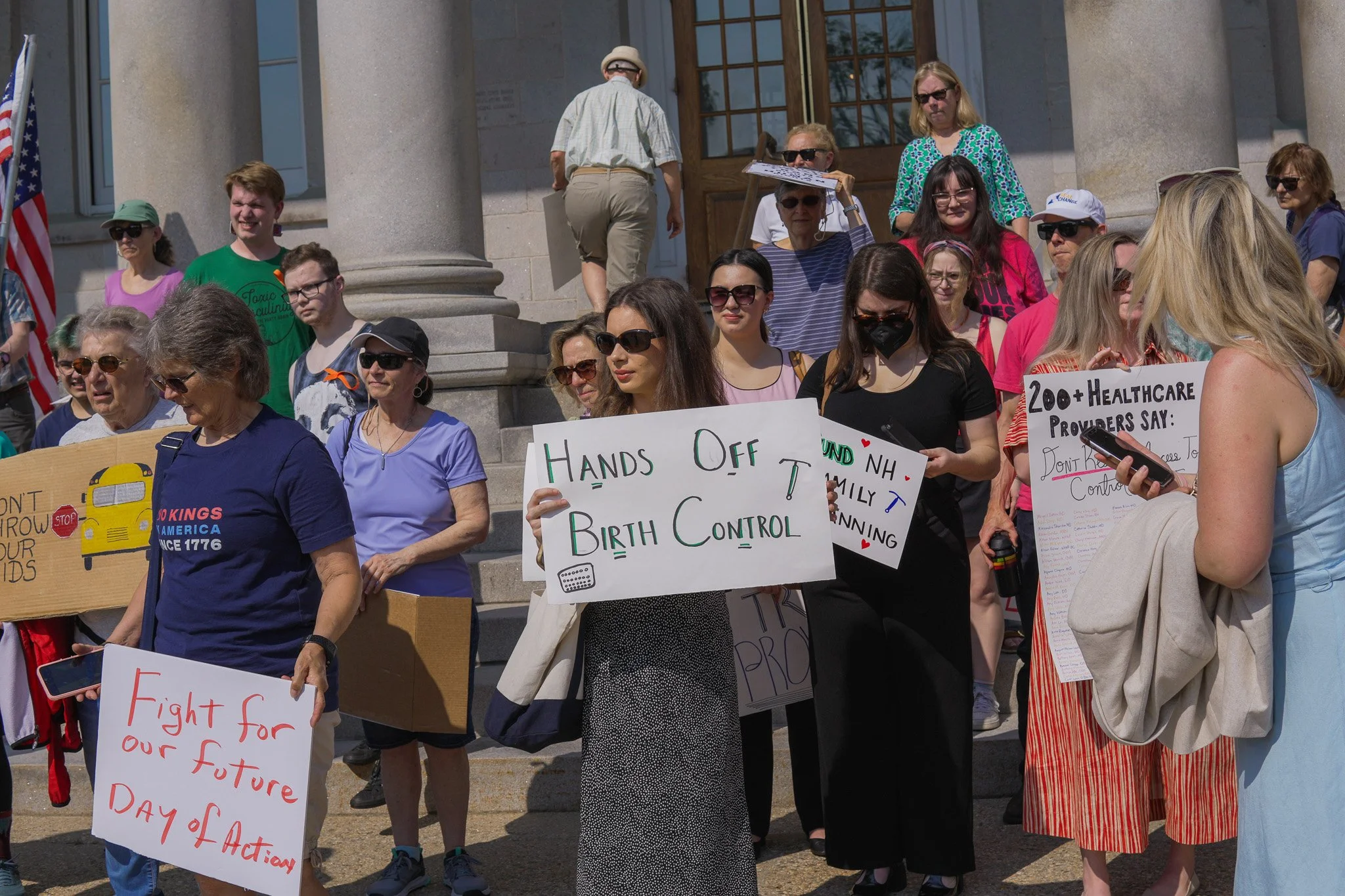
National Context
Reproductive Equity Now Foundation’s Landscape Analysis narrated several of the political, regulatory, funding, and broader health care industry factors impacting the ever-evolving state, regional, and national landscape of reproductive health care and contraceptive access. Highlighted here are several concerning threats.
-
Since the July 4, 2025 signing of the One Big, Beautiful Bill Act (OBBBA), many of the real life implications for reproductive health care that advocates and experts cautioned against have begun to come to fruition. The trillion dollar cuts to Medicaid spending over the next ten years will have devastating impacts on health care of millions. Medicaid covers 21%—nearly 16 million—women of reproductive age (15–49), the population most likely to rely on contraception, and accounts for roughly three-quarters of all public spending on family planning services in the United States.
The law also includes a one-year provision to bar federal Medicaid funds from reimbursing non-profit family planning and reproductive health providers that provide abortion care and that received more than $800,000 in Medicaid expenditures in 2023. While this provision was specifically designed to specifically “defund” Planned Parenthood affiliates, it has also impacted at least two other independent providers in our region—Maine Family Planning and Health Imperatives, serving southeastern Massachusetts, including the Cape and the Islands. Due to these Medicaid funding cuts, Maine Family Planning was forced to make the difficult decision to discontinue its primary care services at several locations, affecting approximately 800 primary care patients.
U.S. Senator Elizabeth Warren recently published a report, titled The ‘Defund’ Disaster, highlighting the damage the budget bill has incurred on Planned Parenthood clinics and the sexual and reproductive health care services these clinics provide nationwide. Key findings of this Senate report include vast decreases in breast exam visits, STI testing, early diagnosis, and treatment, fewer visits for contraceptive counseling and birth control pills and significantly fewer visits for IUDs and other long-active reversible contraceptives.
-
Since the Dobbs decision, anti-reproductive health activists and politicians have sought to weaponize limitations on abortion as a means to also reduce access to emergency contraception. This effort has only intensified during the first year of the second Trump Administration; a proposal included in Project 2025, the conservative proposed playbook for Trump’s second term in office, outlined how the Trump Administration could improperly reclassify emergency contraception as an abortifacient and eliminate no-cost coverage for emergency contraception guaranteed under the Affordable Care Act.
A 2022 issue brief published by the Center for American Progress details how, in the wake of the Dobbs decision, anti-abortion state legislators began introducing proposals to reclassify emergency contraception as an abortifacient and expand the scope of state-level abortion bans to restrict access to medications that prevent implantation. In an interview with PBS News Hour, Mary Ziegler helps draw the connection between the anti-abortion movement and attacks on contraceptives, commenting: “We have seen more than 12 states change their definition of abortion in their state statutes since Dobbs. So I think the more people in legislatures are willing to acknowledge that they are changing what abortion means, the more space that creates to include contraceptives in the definition of abortion.”
The Trump Administration is testing its playbook for changing the definition of contraceptives on the international stage as well. Efforts to unwind global aid projects that support reproductive health care around the also reflect the growing sentiment in the administration that contraception medications can be reclassified as abortifacients to limit access. In 2025, a Trump Administration spokesperson told The New York Times, when asked about their plan to destroy $10 million worth of contraceptives designated for global aid programs, that “the administration will no longer supply abortifacient birth control under the guise of foreign aid.”
On March 27, 2026, the Trump Administration released guidance for Title X clinics which is seen as a preview of a potential upcoming rule for administration of the program. This guidance lays out a dangerous and significant shift away from comprehensive contraceptive care to “natural family planning methods” and fertility support. Politico reported that “[t]he nearly 70-page document included no mention of contraception other than an assertion that it is overprescribed, has negative side effects, and is part of a broader “overreliance on pharmaceutical and surgical treatments.”” RENF has heard from partners and advocates across the country who are increasingly concerned about the stability of Title X, and who are watching misinformation and false conflation of contraceptive care, including hormonal contraception not just emergency contraception, is becoming more mainstream.
-
Social media content creators and influencers, particularly so-called "tradwife" and wellness creators, have become a major source of misinformation about birth control, spreading false or exaggerated claims about the dangers of hormonal contraceptives. “Tradwife” content is often deeply intertwined with the pronatalist movement, which views hormonal birth control as an obstacle to having more children. Its cozy, aspirational aesthetic makes the messaging feel personal and trustworthy rather than political. Research found that emotional, personal videos receive significantly higher engagement than those from creators presenting balanced information. One study of 100 TikTok videos with a collective 4.85 billion views about contraception found them largely unreliable, with only 10% created by medical professionals. Specific false claims include links to infertility, cancer, and suicidal ideation. Many influencers also push fertility awareness methods, which have some of the lowest effective rates of all contraceptive methods with ACOG citing up to a 23% failure rate.
Furthermore, while her nomination appears to be stalled, President Trump’s nominee for Surgeon General, Casey Means, is a concerning example of how social media influencers are gaining power and influence. Means did not complete her medical residency program and does not hold an active medical licence yet has made a name for herself as an early MAHA supporter and has a history of concerning comments about contraception.
Conclusion
Legal access on paper does not equate to meaningful or equitable access in practice, and contraceptive policies are no exception. Good policy alone does not produce widespread use. Connecticut and Massachusetts have enacted strong, forward-looking contraceptive access laws, and New Hampshire is well on its way to catching up, but across all three states, utilization has lagged and the communities these laws were designed to serve remain largely unaware of the benefits they are entitled to.
Throughout this project, the moments of greatest progress were produced by individual conversations. Pharmacists in New Hampshire were connected by Reproductive Equity Now Foundation to a national expert, and together they are pushing forward rulemaking that had been stalled for years. Providers who had given up prescribing an extended supply of contraceptives, not because they opposed it, but because they had been worn down by insurance denials with no one to help them troubleshoot, changed their prescribing practices after a conversation with Reproductive Equity Now Foundation that clarified what was actually possible. A Massachusetts pharmacist who did not know the statewide standing order for emergency contraception existed learned about an additional tool for access in their community. These examples are more than just anecdotes: they are the mechanism of change
What this project has demonstrated, more than anything else, is that implementation – and, even more so, utilization –requires sustained, dedicated attention and human-to-human conversations. There is no silver bullet solution to implementation; rather, it requires someone to analyze the wide range of possible solutions and identify a unique fit for what is specifically challenging each state. Meaningful implementation requires building relationships and moving between sectors and silos that do not naturally communicate with one another to surface and troubleshoot the barriers that guidance documents cannot anticipate. No toolkit, however well-designed, can substitute for a trusted person in the room.
The technical tools Reproductive Equity Now Foundation developed were received with enthusiasm because they were built out of listening. They reflect the day-to-day realities that health care providers and pharmacists described in their own words. A fact sheet sent cold to a busy pharmacist is easy to ignore. The same fact sheet delivered by someone who has visited the pharmacy, listened to the pharmacist’s concerns, and followed up is a catalyst
There was genuine excitement among partners for Reproductive Equity Now Foundation to continue building a regional network of relationships and shared knowledge to support states across New England in protecting and expanding contraceptive access. Dr. Sally Rafie noted that Reproductive Equity Now Foundation's ability to build relationships and convene partners was exceptional, and that having an organization with established relationships and a presence on the ground was essential to advancing the work in New Hampshire.
All stakeholders committed to expanding contraceptive access must build relationships beyond the usual suspects or traditional reproductive health care providers. Many patients rely on family physicians, pediatricians, and college health centers to access medications like contraception and for education regarding sexual health. Expanding and maintaining relationships with all types of clinicians will be instrumental to ensuring continuity of care, equitable applications of expansive policy, and strong communication across the field.
The path is clear: funders, whether philanthropic donors in the private sector or states themselves, need to be prepared for sustained investment to see implementation through and to build awareness of policy changes over time. Increased awareness will follow targeted, personal information sharing, but that takes time, consistency, and person-to-person connection. The policy is in place. Now the work is reaching the people it was written for. With the right support, advocacy organizations across the region stand ready to meet that challenge and to ensure that the promise of these laws is finally felt by the communities they were designed to serve.
Acknowledgements
Ashley Blackburn, Interim Executive Director at Health Care For All
Jamila Xible, Director, Community Engagement, Health Care For All
Katelyn Comeau, PharmD
Rachel Graber, CNM
Leora Cohen-McKeon, DO
Sarah Legried
Christina Piecora
Aimee Dawson, PharmD
Sally Rafie, PharmD, Founder, Birth Control Pharmacist
Claudia Trevor-Wright
Andrea Contreras, MD
Iyanna Liles, MD
Neena Qasba, MD, MPH
Christopher Lopez, PharmD
John Snyder, MD
Ahilya Deshpande Hickcox, NP
Khama Ennis, MD
Erik Skinner, MPH
Martha Spiro, FNP
Mollie Ashe Scott, Pharm.D., BCACP, CPP, FASHP, FNCAP - UNC Eshelman School of Pharmacy
The Reproductive Equity Now Foundation collaborated with myriad stakeholders over the course of this 18-month project, whose suggestions, ideas and feedback contributed to the breadth and depth of this final report. RENF is endlessly grateful to these stakeholders their contributions our learning collaborative effort.
We’d like to acknowledge the following partners and contributors who helped us bring this project to fruition:
Ruth Albert-Lyons
Joyce Cappiello PhD, FNP
Honor MacNaughton, MD
Kelsey Grimes
Luu Ireland, MD, MPH
Roxannne McNellis, Hartford GYN Center
Blue Cross Blue Shield of Massachusetts
Marie Smith, PharmD, Professor - UConn School of Pharmacy
Points True North Consulting
Tory Jennison PhD, RN, NH Public Health Association
New Hampshire Harm Reduction Coalition
Kayla Montgomery, VP of Public Affairs, Planned Parenthood Northern New England
Dr. Kati Forbes, PharmD, RPh
Nimisha Srikanth, MPH
EC 4 DC
Bria Goode
Cathren Cohen, Staff Attorney, UCLA Center on Reproductive Health, Law, and Policy
Elizabeth Quinn, MD
Julia Mead, MD
Lora Pellegrini
Emmeline Rodriguez, MPH
Madi Wachman
Sarah Hodin Krinsky
E. Michael Murphy, PharmD, MBA
Robyn Elliott, Public Policy Partners
Deborah Bartz, MD, MPH, Brigham and Women's Hospital/Harvard Medical School
Maxeem Abedi-Tari, PharmD, RPh
Stephanie Giangreco, PharmD - District Manager, Shaw's/Star Market Pharmacies
Hannah Parker, MD
Annik Carrier, Beacon Prescriptions Southington, CT
Arianna N. Arroyo Ortega
Connecticut Office of Health Strategy
Liz Canada
Todd Brown, Executive Director, Massachusetts Independent Pharmacists Association
Carrie Richgels
Davis Smith, MD
Sally Maroa
Ndengo Mwilelo
Bob Stout
Liz Leahy
Free the Pill (a project of Ibis Reproductive Health)
Downloadable Assets, Landscape Analysis, and Appendices